Cycle touring is a great way to explore the world, combining physical activity, tourism and adventure. Whether you are an experienced cyclist or a beginner, there are cycling tours to suit all levels of experience and interest, but you already know that. You are here because you love cycle touring and have almost certainly already practised it, but have you ever wondered which are the world’s best cycle tours?
In this article, we take a look at some of the best cycling tours in the world, taking you through breathtaking landscapes, historic cities and fascinating cultures.
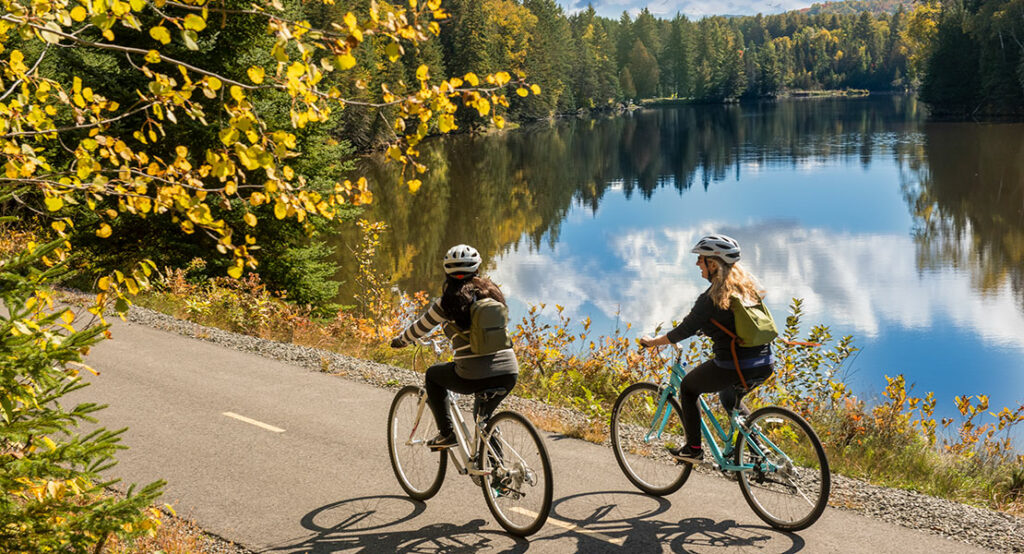
La Route Verte, or ‘Via Verde’, is a 460 km long cycle route through France and Belgium, following the course of the Meuse River. This mostly flat route is suitable for cyclists of all levels and offers the possibility of passing through picturesque villages, lush countryside and fascinating historical cities such as Liège and Maastricht.
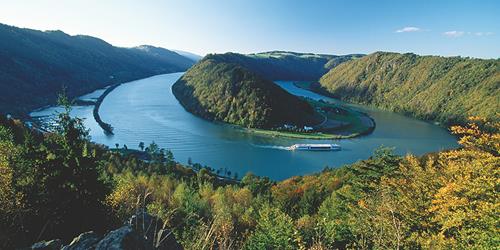
If you are looking for a more demanding challenge, the Danube by bike is ideal. This 1,090 km route follows the course of the Danube through seven countries: Germany, Austria, Slovakia, Hungary, Croatia, Serbia and Romania. You will pass through lush forests, imposing mountains, historic cities such as Vienna and Budapest and charming rural villages.
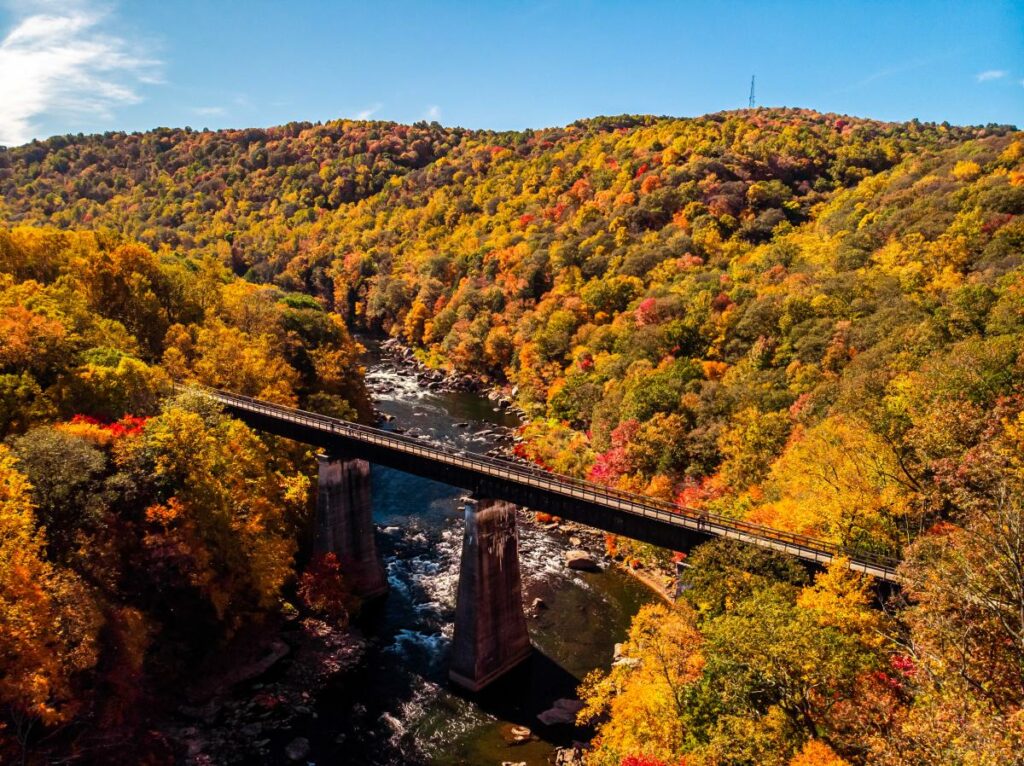
The Great Allegheny Passage is a 366 km route located in Pennsylvania, United States. It follows the Allegheny River from the Pocono Mountains to Pittsburgh. This route is very popular with cyclists and hikers, and is famous for its breathtaking landscapes, which include forests, rivers and waterfalls. Along the route you can also visit fascinating historic towns such as Johnstown and Pittsburgh.
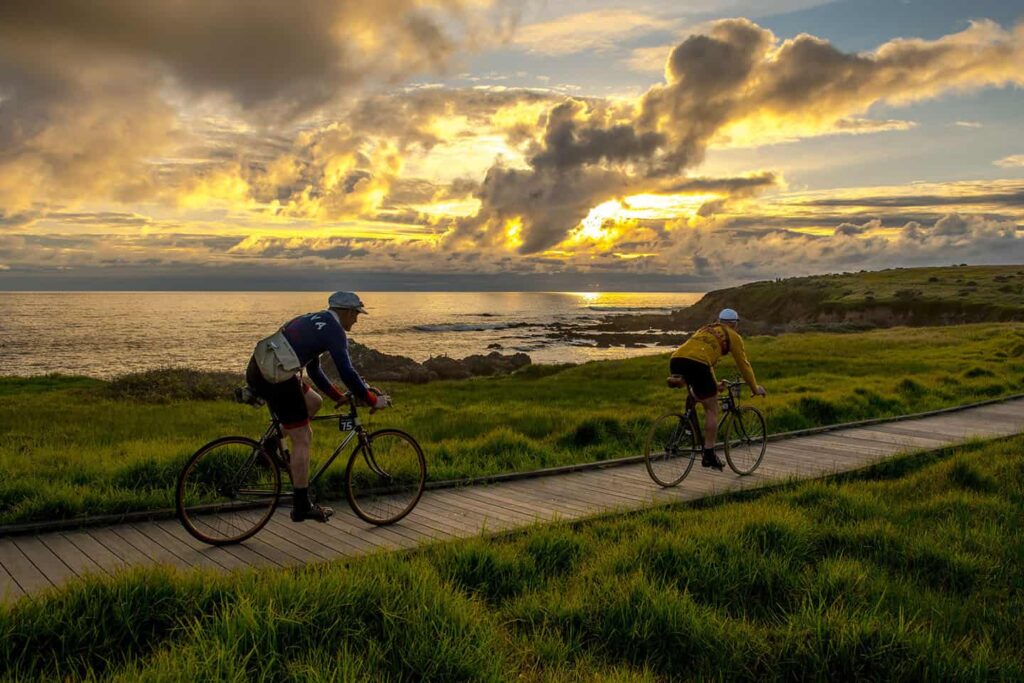
For lovers of the sea, the Pacific Coast Highway is a must. This 1,900 km route runs along the California coast, from Seattle to San Diego. It offers breathtaking ocean views, coastal cities such as San Francisco and Los Angeles and pristine national parks such as Yosemite National Park and Big Sur.
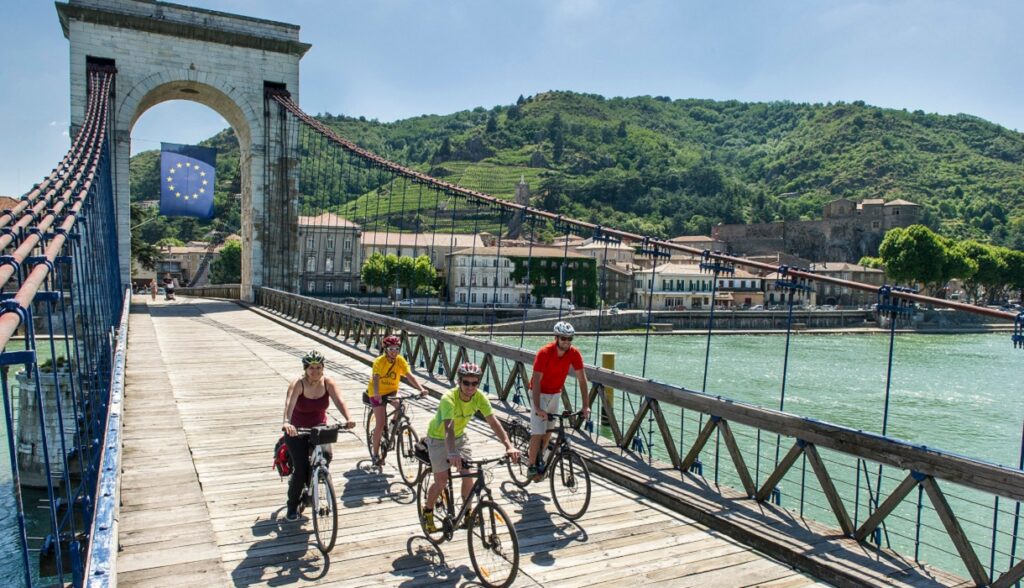
The ViaRhôna is an 815 km route that follows the Rhone River from Switzerland to France. This route is ideal for cyclists of all levels and families, with its picturesque landscapes, vineyards and charming historic villages such as Lyon and Avignon.
These are just a few of the many fantastic cycling tours you can find around the world. With so many options to choose from, you are sure to find the perfect tour for your needs and interests. Since you are here, maybe you are interested in our tours: take a look!
Cycle tourism offers a number of advantages over other forms of tourism:
If you are ready for your next adventure, consider a cycling tour. You won’t be disappointed!
Tips for planning your cycling tour:
With a little planning and preparation, your cycling tour will be an unforgettable experience. Take a look at our trip.
If you want to cycle touring in Sicily but don’t know the area and/or have never done it before, you’ve come to the right place! These tips for cycle touring in Sicily will be very useful if you are planning such an adventurous experience. Sicily, with its breathtaking scenery, millennial history and rich and vibrant culture, lends itself perfectly to being explored by bicycle. Cycle touring in Sicily is a unique experience that allows you to experience the island in an authentic and sustainable way, fully immersing yourself in its unspoilt beauty.
First of all for the view: the Landscapes! Sicily offers a variety of landscapes that will leave you breathless: from breathtaking coastlines to imposing mountains, from lush countryside to medieval villages.
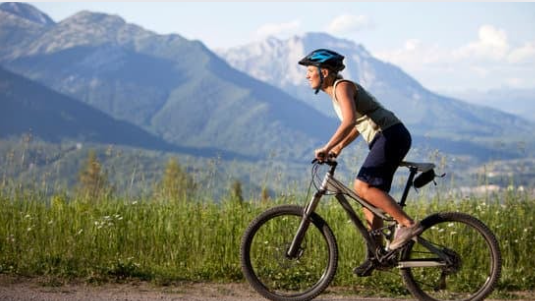
Another good reason is Culture: Cycling through Sicily, you will have the opportunity to discover its rich history and culture, visiting archaeological sites, baroque towns and characteristic villages. It is an inimitable, one-of-a-kind trip.
Another great reason comes from the belly: food! Sicily is a food lover’s paradise, with its cuisine rich in flavours and traditions. During your bike tour you can sample the best local products and discover how many forms street food can take on this island – it’s incredible!
And finally the Reception: Sicilians are a warm and hospitable people, always ready to welcome (cycle)tourists with many unique and authentic experiences.
Choose the right time of year: the spring and autumn months are the best seasons for cycling in Sicily, when the weather is mild and pleasant. Last summer we touched 50 degrees and this year promises to be no different, in fact, this trend will only increase. This means that it is possible to cycle in Sicily in the summer but extra precautions must be taken. Spring and autumn, on the other hand, are the perfect times to cycle to Sicily without a lot of worry.
Choose the right route: In Sicily there are numerous cycling routes suitable for all levels of experience. If you are a beginner, you can opt for a flat route along the coast. If you are a more experienced cyclist, you can choose a more challenging route through the mountains. The tours should be designed by someone who is familiar with cycle touring and knows the terrain and the roads to be tackled (and the roads to be avoided): have a look at our tours!
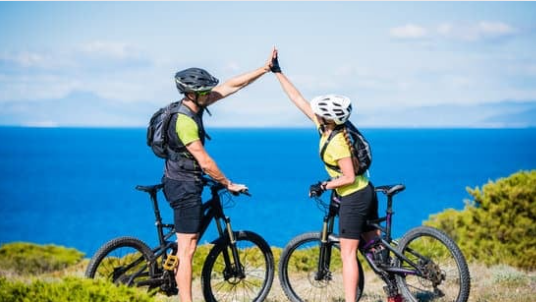
Obviously Rent a Bicycle: In Sicily you can rent bicycles in several towns and tourist locations. If you prefer to bring your own bicycle, make sure it is in good condition and suitable for the type of terrain you will be riding. Rather, we advise you to rent, you will find models suitable for the terrain you will face here in Sicily, in this regard take a look at our bikes.
Plan your itinerary: Depending on the time available and your interests, plan an itinerary that includes the stops that interest you most. DO NOT improvise. It is NEVER a good idea. If you don’t know the terrain and roads, rely on someone who knows both cycling tourism and the terrain you will be tackling. In this regard, you can take a look at the customised tours.
Book your accommodation: In Sicily you can find different types of accommodation for cycle tourists, from agriturismi to bed and breakfasts to hotels.
Take the necessary equipment with you: In addition to your bike (if you decide to take it with you, our advice is to rent it here), make sure you bring everything you need for your trip, such as a helmet, water bottle, repair kit and clothing suitable for the climate.
Make sure you are in good physical shape: If you are a cycle-tourist, you already know this, otherwise we will tell you here for the first time: Cycle touring requires some physical effort, so it is important to be in good shape before embarking on a cycling trip. If you are not in good physical shape, cycle touring can help you get there! But in this case you have to take into account the kilometres you can actually grind in each stage.
Respect the environment: Travel responsibly, respecting the environment and local communities. If you like Sicily, leave it as you found it.
Respect the rules of the road: always and in any case. Make sure you know and respect the rules of the road. We are not pirates, we are cycle tourists: we love to travel and have fun in safety. Are you one of us?
Always wear a helmet: No, this is not an option. A helmet is compulsory for underage cyclists and is always recommended for everyone.
Be visible: Wear light-coloured clothing and use flashing lights at night. If they do not see you they can hit you and create a perfectly avoidable accident.
Pay attention to cars: Pay attention to cars, especially when entering the road or crossing a junction. Most accidents that cyclists suffer are caused by cars.
Drive carefully: it sounds absurd, but it is often we cyclists who are reckless or careless. Maybe because of the beautiful scenery or because we are caught up in particularly intense physical activity…. Anything is possible, but I urge you never to go too fast and always be alert and aware of your surroundings.
Cycle tourism in Sicily is a unique and unforgettable experience that will allow you to discover the island in an authentic and sustainable way. By following these tips, you can plan a safe and enjoyable trip that will leave you with indelible memories and if you want to travel with us at Ciclofree: you know where to find us!
Want to do Tourism and discover Sicily’s hidden treasures? You are in the right place! In this blogpost we will list the less-travelled but most beautiful and important places, the real hidden treasures of Sicily.
A journey to discover Sicily’s hidden treasures is an experience that will remain in your heart forever. Between nature reserves, authentic villages and archaeological sites, Sicily offers a varied itinerary full of surprises for every type of traveller.
Sicily, an island of timeless charm, boasts a thousand-year history, breathtaking landscapes and a rich and vibrant culture. Besides the famous tourist destinations, the island jealously guards hidden treasures just waiting to be discovered by curious and adventurous travellers. Let’s see the best of them together!
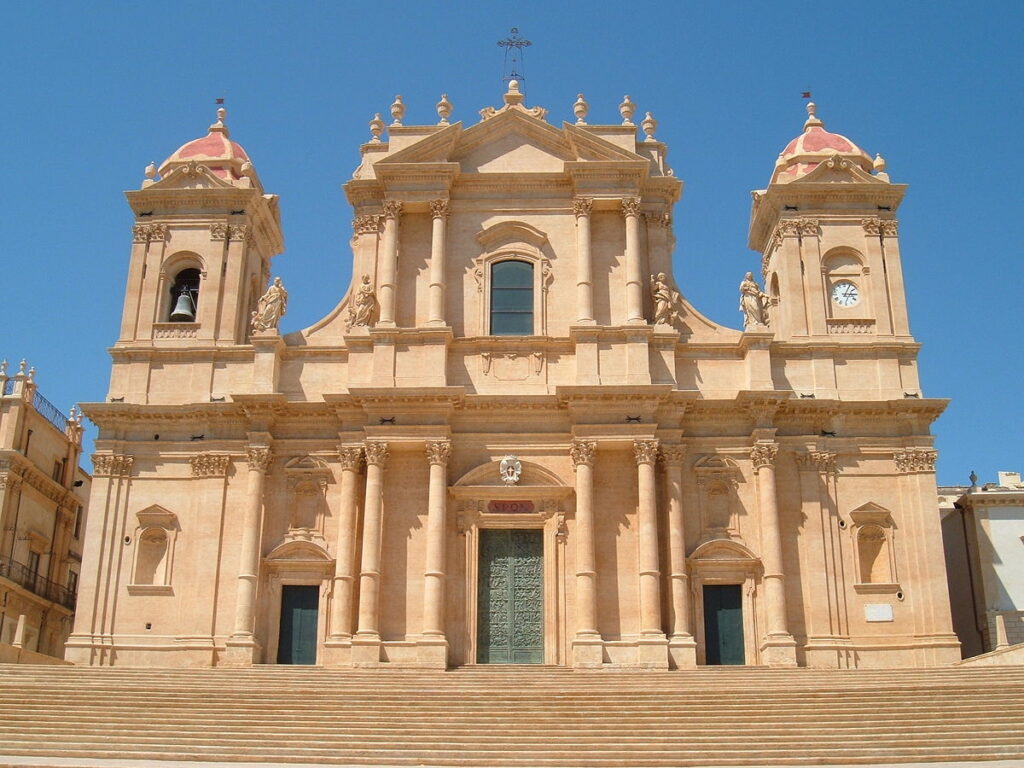
Noto: the pearl of Sicilian Baroque, enchants with its golden palaces, monumental churches and refined atmosphere. But the true essence of Sicily can be grasped by exploring its less-travelled corners, where unspoilt nature reigns supreme and millenary traditions are handed down from generation to generation.
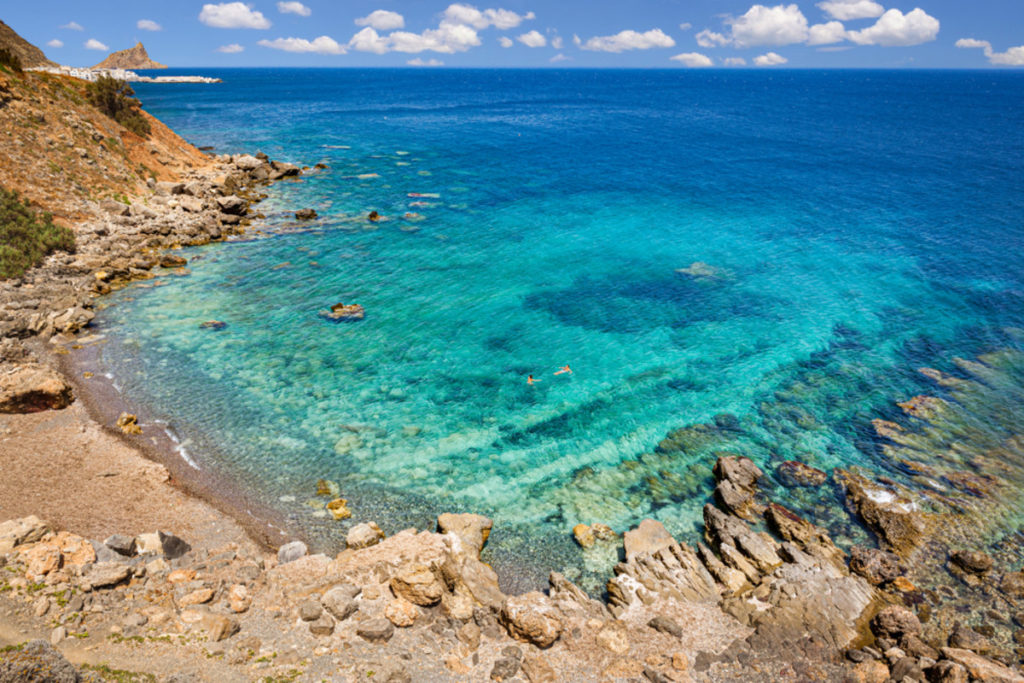
A pristine archipelago off the west coast, with heavenly beaches and crystal-clear waters, perfect for snorkelling, diving and relaxation.
an exceptional mountain park in the Sicilian hinterland, where you can tour and trek through lush forests, visit picturesque villages and admire breathtaking views. Literally unmissable.
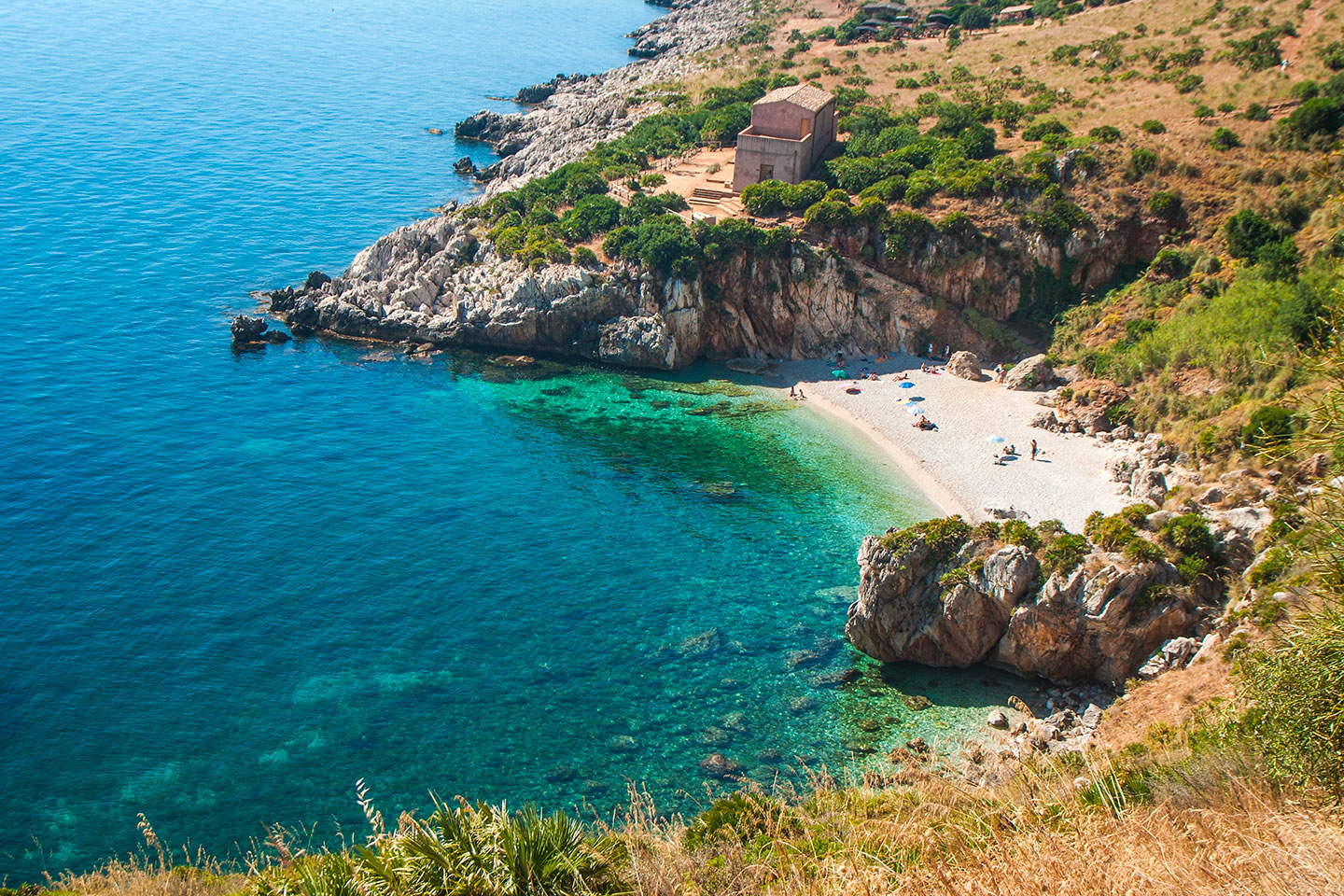
A paradise for trekkers and nature lovers, with rocky coves, scenic paths and rich biodiversity.
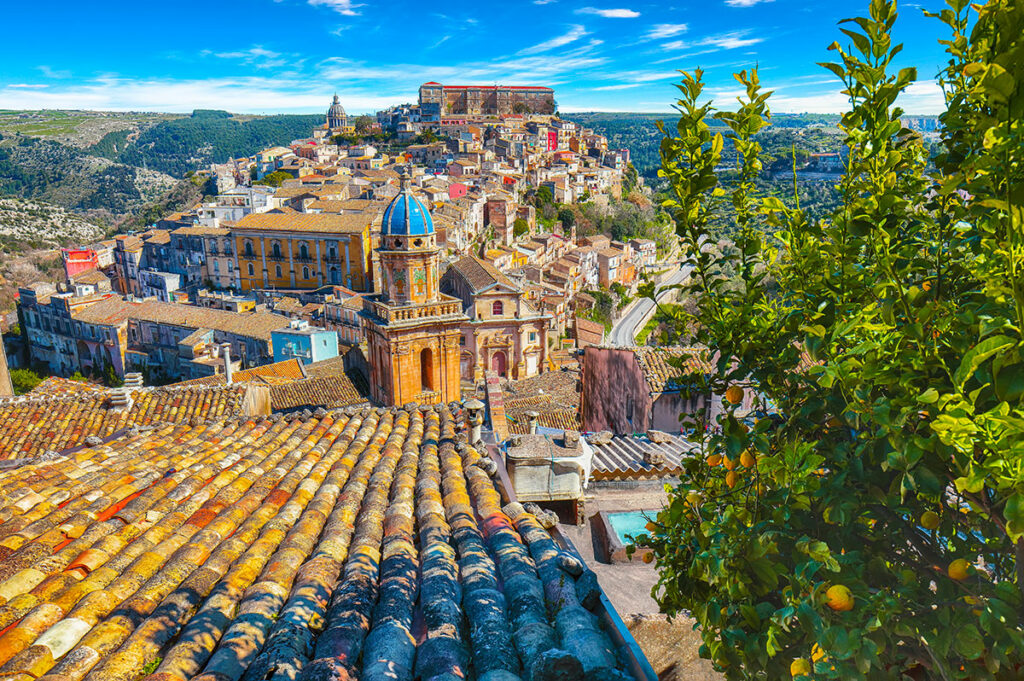
Not to be confused with Noto. The (not the!) Val di Noto is a UNESCO World Heritage Site, dotted with Baroque towns such as Noto, Modica and Ragusa, where art, architecture and gastronomy come together in a unique sensory experience.
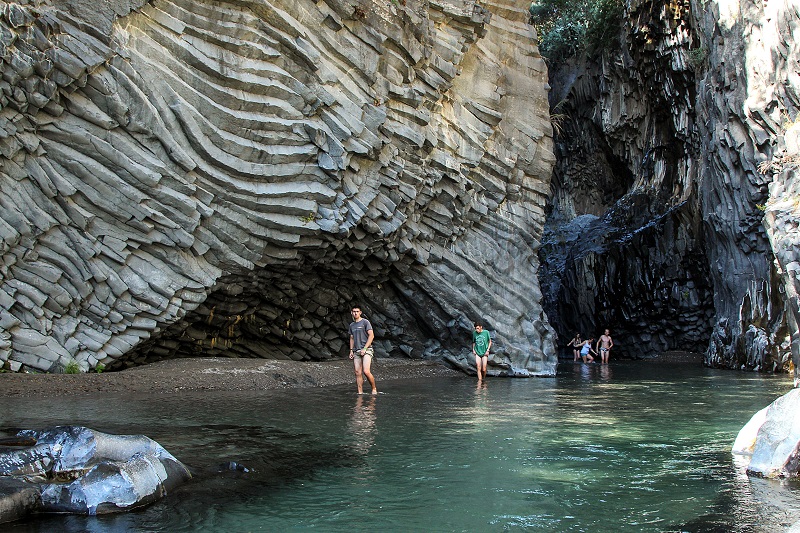
Imagine a volcanic canyon of rare beauty, where you can admire the power of nature and raft through the rapids. You are in the Alcantara Gorge in Sicily. Recently, during the summer months, theatrical performances have been organised in the breathtaking landscape of the river at sunset – an experience worth trying.
famous for the Roman mosaic of the Villa del Casale, an extraordinary testimony to Roman civilisation.
It is a perfect example of tourism that goes beyond the traditional tourist stops and classic destinations.
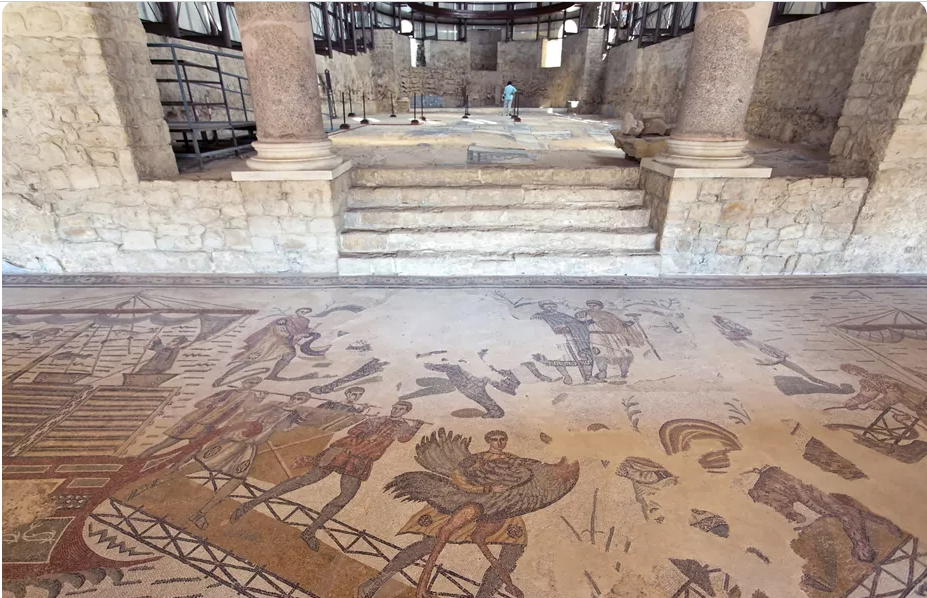
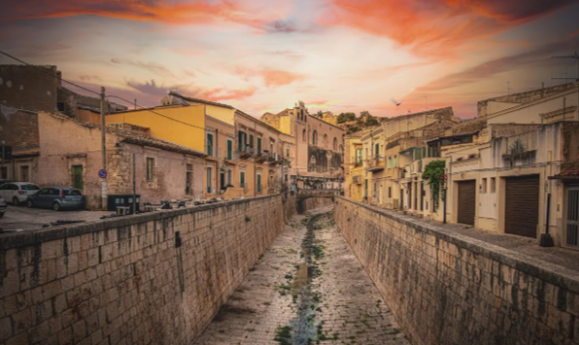
It is located in the south of Ragusa, with a historical centre rich in churches, palaces and monuments.
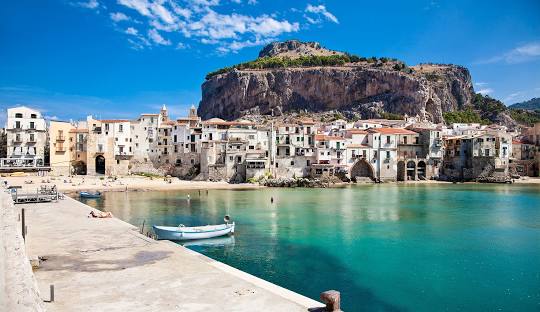
on the north coast, famous for its Norman cathedral and its lively party atmosphere. Famous mostly to locals, did you know it? Tell us in the comments!
But in addition to the stages, we also want to give you some other tips for an unforgettable trip:
The best times to visit Sicily are the months between spring and autumn. These months are ideal for enjoying the mild climate and the beauty of the island.
Of course, our advice is to visit it on a bike, the cheapest, most ecological and ‘slow’ way to experience Sicily.
And finally, we cannot fail to mention the cuisine and gastronomy. Each city in Sicily is a world of its own, with many unique dishes to taste and street food to try.
Learn a few words of Sicilian: we Sicilians are a warm and hospitable people, we will be happy to teach you!
Now that you know the best places, do you want to see what you can visit by bike? Click here!
Sicily, with its rich history, vibrant culture, and breathtaking landscapes, has always been a fascinating destination for tourists worldwide. What are the latest tourism trends in Sicily? In 2023, there was a significant increase in tourist arrivals in Sicily by 5.8% in the first nine months of the year compared to 2022, suggesting that 2023 will be a year of clear growth for tourism in Sicily. This effect is mainly due to the driving force of foreign visitors choosing the island’s beauties for their holidays. Sicily has adeptly embraced the new trends that shape the global tourism offer. Want to know what these new trends are and how Sicily has benefited from them? You’re in the right place!
Latest tourism trends in Sicily: Experiential Tourism
One of the most significant trends in tourism in Sicily is the growing demand for authentic and immersive experiences. Tourists no longer just seek to visit iconic sites; they want to engage in experiences that deeply connect them with local culture and life. This has led to a boom in offerings such as Sicilian cooking classes, tours of Etna’s wineries, and guided visits to local markets. These activities allow visitors to immerse themselves in Sicilian daily life, learn age-old traditions, and interact directly with locals. In this context, the role of OTAs (online travel agencies) in the tourism business cannot be overlooked: platforms like Airbnb have democratized travel and accommodation, heavily promoting the concept of “experiencing” and “living the destination like a local rather than as a tourist.” Staying in a BnB run by locals rather than in a hotel full of hospitality professionals brings an authentic connection to the area.
latest tourism trends in Sicily: Ecotourism and Sustainability
Another growing trend is the emphasis on environmental respect and sustainability, which have become central themes in global tourism, and Sicily is no exception. In recent years, many Sicilian accommodation facilities and tour operators have adopted eco-sustainable practices to reduce environmental impact. Agritourism promoting organic farming, hotels using renewable energy, and tour operators offering low-impact excursions are becoming increasingly common. Moreover, the promotion of natural parks, marine reserves, and trekking routes has made Sicily an ideal destination for nature lovers. Of course, we must mention cycling tourism as one of the least impactful ways to experience the area: we are proud to be one of the island’s leading operators offering this type of tourism.
latest tourism trends in Sicily: Cultural and Historical Tourism
Sicily is a destination rich in history, with invaluable archaeological sites, art cities, and monuments that narrate millennia of civilization. This cultural heritage continues to attract a growing number of visitors interested in cultural and historical tourism. Places like the Valley of the Temples in Agrigento, the Greek Theatre in Taormina, and the Baroque churches of Noto and Ragusa Ibla are must-see destinations. Recently, there has been an increasing focus on the enhancement and promotion of lesser-known sites, offering tourists alternative and less crowded paths.
latest tourism trends in Sicily: Food and Wine Tourism
Sicilian cuisine is renowned worldwide for its variety and unique flavours, and food and wine tourism has become a cornerstone of tourism in Sicily. Tourists are increasingly attracted to culinary experiences that include wine tastings, visits to olive mills and cheese factories, and participation in culinary festivals. Typical products like Etna wine, local cheeses, and traditional sweets such as cannoli and cassata, are at the heart of food and wine itineraries that allow one to discover the territory through its flavours.
latest tourism trends in Sicily: Beach and Adventure Tourism
The stunning Sicilian coasts continue to be a major attraction for tourists. Beaches like San Vito Lo Capo, the Scala dei Turchi, and the Aeolian Islands offer breathtaking landscapes and crystal-clear waters. Besides traditional beach tourism, new forms of adventure tourism are emerging. Activities such as kitesurfing, diving, and hiking on Mount Etna are gaining popularity, attracting a young and dynamic audience seeking thrills and contact with nature.
latest tourism trends in Sicily: Digital Nomads and Work Tourism
A growing trend is that of digital nomads, professionals working remotely who choose Sicily as a temporary operational base. The island offers a perfect combination of natural beauty, culture, good food, and a relatively low cost of living. Several Sicilian locations are developing infrastructure and services to accommodate this new type of tourist, such as coworking spaces, fast internet connections, and flexible housing solutions.
latest tourism trends in Sicily: Cultural and Entertainment Tourism
Though still not widely discussed, everyone knows what it is about. How many people visit Sicily to see Montalbano’s house and eat his famous pasta “ncasciata”? Many, and their number is growing. Films like “Big Deal on Madonna Street,” “Two Women,” and “La Dolce Vita” helped create the image of Italy as a “Postcard Country,” captivating tourists worldwide. Iconic scenes from “Roman Holiday,” with Audrey Hepburn and Gregory Peck, further solidified this image.
In the 21st century, video games are emerging as a dominant medium, bringing new opportunities for tourism. Over 300 successful video games are set in Italy, and played by about 500 million people worldwide. This phenomenon, known as Game Tourism, must be understood and integrated into tourism strategies at both central and local levels.
Game Tourism occurs when players, fascinated by real places featured in video games, wish to visit them in reality. This process is similar to what has been seen with films, books, and comics. A prime example is Monteriggioni, a medieval Tuscan village that gained worldwide fame thanks to “Assassin’s Creed II.” Launched in 2009, the game set during the Renaissance brought thousands of tourists to visit Monteriggioni, significantly impacting local tourism. A 2016 survey revealed that 11.4% of visitors had discovered the village thanks to the video game.
Other examples include “Uncharted 4,” which brought the Amalfi Coast to players’ attention, and “Forza Horizon 2,” set between southern France and northern Italy. Even “Gran Turismo 6” featured a race through the heart of Rome, at the Imperial Fora.
These video games showcase Italy to millions of players worldwide, stimulating tourism that shifts from virtual to real, bringing tangible benefits to Italian destinations. By integrating this trend into tourism strategies, Italy can further enhance its cultural and landscape heritage.
To sum it up…
Sicily continues to evolve as a tourist destination, adapting to new trends and the needs of modern travellers. From experiential tourism to ecotourism, from food and wine to outdoor adventures, the island offers a wide range of unique and unforgettable experiences. The growing focus on sustainability and the enhancement of cultural and natural heritage makes Sicily an ideal destination for those seeking authenticity, beauty, and a strong connection to local traditions. With these premises, the future of tourism in Sicily looks bright and promising, and we are happy and proud to be part of it with our unique and tailor-made offer for cyclists and those who love cycling tourism.
Are you looking for experiences in Sicily? Have a look here!
The bicycle is a mode of transportation that has revolutionized the way we move and travel. But where Does the Bicycle Come From? From its invention to the present day, the bicycle has undergone many technical and stylistic transformations, becoming an essential component of urban mobility and sports culture. Let’s explore the key milestones in its evolution together.
Where Does the Bicycle Come From? What Existed Before the Bicycle? The Draisienne!
The origins of the bicycle date back to the early 19th century. In 1817, German baron Karl von Drais invented the draisienne, also known as the “running machine”. This two-wheeled vehicle, entirely made of wood, had no pedals; the riders had to push themselves forward with their feet on the ground. The draisienne was the first attempt to create a two-wheeled vehicle that could be manoeuvred easily.
Where Does the Bicycle Come From? The Velocipede
Let’s jump forward in history: in the 1860s, Frenchman Pierre Michaux and his son Ernest made a significant modification to the draisienne by adding a pedal system mounted directly on the front wheel. This vehicle, known as the velocipede or “boneshaker” due to its rigid iron and wood structure that transmitted all the bumps from the road, was the first example of a pedal-powered bicycle.
Where Does the Bicycle Come From? The So-Called “Safety Bicycle” – John Kemp Starley’s Revolution
In 1885, British inventor John Kemp Starley introduced the safety bicycle, a model that set the standards for modern bicycles. His “Rover Safety Bicycle” featured two similarly sized wheels, a chain-driven rear wheel, and a low centre of gravity that provided greater stability. This design made bicycles much safer and more accessible to a wider audience, marking a turning point in the history of cycling.
Inflatable Tires
In 1888, John Boyd Dunlop’s invention of air-filled inflatable tyres significantly improved the comfort and performance of bicycles. Air-filled tyres drastically reduced vibrations and made riding much more pleasant, further contributing to the bicycle’s spread as a mode of transportation and leisure.
The Golden Age of the Bicycle – Mass Popularization
At the beginning of the 20th century, the bicycle became extremely popular worldwide. Mass production and advanced manufacturing technologies reduced costs, making bicycles accessible to an increasing number of people. In the United States and Europe, the bicycle became a symbol of freedom and independence, especially for women, who found in the bicycle a means to emancipate themselves and move autonomously.
The Popularity Boost: Sport
Cycling as a sport brought a surge of popularity to bicycles and the act of using them for travel. Alongside mass popularization, the first cycling competitions emerged. The Tour de France, the world’s most famous cycling race, began in 1903. Road races and track competitions pushed technical innovation, with continuous improvements in bicycle materials and design.
The 20th Century and Its Innovations: Racing Bicycles
Throughout the 20th century, racing bicycles underwent continuous innovation. The use of lightweight materials like aluminium and later carbon fibre made bicycles increasingly lighter and more aerodynamic. Multi-speed transmissions, introduced in the 1930s, allowed cyclists to tackle a variety of terrains more efficiently.
(Almost) to the Present Day: Mountain Bikes
In the 1970s, mountain bikes (MTBs) emerged in California, thanks to pioneers like Gary Fisher and Joe Breeze. Designed to handle rough terrains, mountain bikes feature wide tyres, suspension, and a robust frame. This new type of bicycle opened the door to a new way of experiencing cycling, focusing on adventure and off-road exploration. This innovation has greatly contributed to the spread of the bicycle as a means of transportation and cycling as a sport, as well as a leisure activity.
Hybrid Bicycles and E-Bikes
In the 1980s and 1990s, hybrid bicycles combined features of road bikes and mountain bikes, offering versatility for urban and recreational use. More recently, the introduction of electric bicycles (e-bikes) has revolutionized the concept of cycling, making it possible to cover long distances with less effort and opening new opportunities for sustainable urban mobility.
Finally to the Present Day: The Bicycle in the 21st Century
Today, the bicycle is recognized not only as an eco-friendly and healthy mode of transportation but also as a key element in addressing the challenges of sustainable mobility. Cities around the world are investing in cycling infrastructure, promoting the use of bicycles to reduce traffic and pollution. Cycling events, bike-sharing, and technological innovations continue to push bicycles toward new frontiers.
The history of the bicycle is a fascinating journey through technical innovation and social change. From a simple pedal machine to a symbol of freedom and sustainability, the bicycle continues to evolve, adapting to the needs of cyclists and helping build a greener and healthier future.
Are you a Bike lover? Have a look to our tours!
Have you ever wondered where cyclotourism comes from? If you are curious about this topic, you jumped on the right blogpost!
Bicycle touring is a form of travel that combines a love for cycling with the discovery of new places, landscapes, and cultures. This mode of travel has deep roots and a fascinating history that dates back over a century. In this article, we will explore the origins of bicycle touring, examining how it has evolved over time to become one of the most appreciated and sustainable ways to travel today.
Where Does Bicycle Touring Come From? The Origins
You might be surprised to learn that bicycle touring is NOT a recent phenomenon. The origins of bicycle touring can be traced back to the late 19th century, a time when the bicycle was rapidly gaining popularity as a means of transportation. The first bicycles, known as “velocipedes,” were quite rudimentary, but with the invention of the “safety bicycle” in the 1880s, equipped with rubber tires and chain transmission, bicycles became much more accessible and comfortable for the general public.
Where Does Bicycle Touring Come From? The Pioneers of Bicycle Touring
Can we say that bicycle touring has its inventor? Does our fabulous hobby—which is also a way of life—have a “father”? In a way, the answer is “YES.”
Bicycle touring, as we know it today, began to take shape thanks to the efforts of some enthusiastic pioneers. One of the first and most well-known bicycle tourists was Thomas Stevens, who in 1884 embarked on a journey around the world by bicycle. Starting from San Francisco, Stevens crossed the United States, Europe, the Middle East, India, China, and Japan, covering a distance of about 21,000 kilometers. His adventures were widely documented and inspired many others to follow in his footsteps. At Ciclofree, we don’t offer such extensive and challenging trips, but we certainly recognize him as our precursor and pioneer!
Where Does Bicycle Touring Come From? The Birth of Bicycle Touring Associations
Thomas’s heroic effort aroused admiration and consideration, but such an extraordinary experience could not become a norm! Rather, the spread of bicycle touring was due to the growing popularity of the bicycle, leading to the creation of the first bicycle touring associations. The Cyclists’ Touring Club (CTC), founded in the UK in 1878, is one of the oldest and played a crucial role in promoting bicycle touring. The CTC began publishing guides and maps for cyclists, providing information on routes and accommodations, and worked to improve cycling infrastructure. This association can also be considered a pioneer for us! Less heroic and spontaneous but more planned and organized, it contributed decisively to the birth and spread of bicycle touring.
In Italy, the Touring Club Italiano (TCI) was founded in 1894, inspired by the British model. The TCI promoted bicycle touring through the publication of guides and the organization of cycling trips and rallies. In France, the Fédération Française de Cyclotourisme (FFCT), founded in 1923, also contributed to the development of bicycle touring in the country.
Where Does Bicycle Touring Come From? The Evolution of Bicycle Touring in the 20th Century
During the 20th century, bicycle touring continued to grow and evolve. In the 1930s and 1940s, cycling became a very popular recreational activity, with many people choosing to explore the countryside and mountains by bicycle. After World War II, the reconstruction and development of road infrastructures in Europe further facilitated the spread of bicycle touring.
Where Does Bicycle Touring Come From? The Impulse to Bicycle Touring in the 1970s
The 1970s saw a renewed interest in bicycle touring, thanks also to the growing environmental awareness and the search for healthier and more sustainable lifestyles. During this period, numerous organizations and initiatives dedicated to bicycle touring were born. In the United States, the founding of the Adventure Cycling Association in 1973 marked a turning point, promoting the creation of a network of long-distance cycling routes across the country. We can say that this association is the “father” of our bike paths.
Where Does Bicycle Touring Come From? Bicycle Touring in the 21st Century
Today, bicycle touring is a widespread practice around the world, supported by increasingly developed infrastructure and growing attention to sustainable mobility. Modern touring bicycles are designed to offer comfort and durability on long routes, and the advent of bikepacking has made bicycle touring even more accessible, allowing cyclists to travel light and tackle varied terrain.
The Present and Future of Bicycle Touring: New Technologies
The evolution of technology has further revolutionized bicycle touring. GPS, smartphones, and dedicated apps allow for precise planning and following of routes, while e-bikes have opened the doors of bicycle touring to those who may not have the physical preparation necessary to tackle long distances or challenging terrains. Now we can confidently say that bicycle touring is an experience for everyone.
So, the Origins of Bicycle Touring…
Are rooted in a passion for the bicycle and a curiosity to explore the world on two wheels. From Thomas Stevens to modern digital bicycle tourists, this form of travel has adapted and grown, remaining true to the values of adventure, freedom, and sustainability. With such a rich past and a promising future, bicycle touring continues to be one of the most fascinating and engaging ways to travel.
Whether you’re a seasoned bicycle touring veteran or a curious beginner, the world’s roads await you for an unforgettable journey. Have a look at our tours!
Bike touring in Sicily – where you can start? Here! Cycling tourism in Sicily offers a unique and captivating experience, combining the adventure of a two-wheeled journey with the discovery of a region rich in history, culture, and breathtaking landscapes. If you’re planning a cycling tour in this beautiful island, here are some practical tips and a checklist to help you prepare.
Practical Tips for Your Cycling Adventure in Sicily
Bike touring in Sicily: Planning Your Cycling Route in Sicily
Sicily offers a wide range of cycling routes, from coastal paths to mountainous trails, passing through historic cities and small villages. Before setting off, it’s crucial to plan your itinerary, considering your physical condition and the type of experience you want to have. Check out our guided tours, self-guided tours, and customized tours for inspiration.
Bike touring in Sicily: Climate and Seasons for Your Sicilian Cycling Adventure
Sicily’s climate is generally mild but can vary significantly depending on the season and region. Spring and autumn are the best times for cycling tourism in Sicily, with moderate temperatures and longer days. Summer can be very hot, especially inland, so it’s advisable to start early in the morning and take breaks during the hottest hours. Winter is mild along the coast but can be cold and rainy in mountainous areas. At Ciclofree, we offer our services year-round, even in the height of summer, ensuring you can enjoy your cycling experience with a few extra precautions.
Bike touring in Sicily: Essential Gear for Cycling Tourism in Sicily
Having the right gear is crucial for cycling tourism in Sicily. Here’s a list of essential items to bring:
Bike touring in Sicily: Safety and Assistance for a Stress-Free Cycling Tour in Sicily
Safety is a priority when cycling, anywhere, not just in Sicily. Knowing the route and road conditions you’ll face is essential, as is choosing less trafficked roads and those with bike lanes. These are all services that Ciclofree offers in both guided and custom tours. We also recommend taking out travel insurance that covers potential accidents. For more information, contact us.
Cycling Tourism in Sicily Checklist
What to bring on your trip? Here’s a checklist to tick off!
Bicycle and Accessories
Do you have your own bike and love traveling with it? Fantastic! We totally understand because we love our personal bikes too, and no one can understand a cyclist better than another cyclist. Here’s what your trusty companion needs for this adventure:
The Perfect Outfit for Cycling Tourism in Sicily
Obviously, it depends greatly on the season when you embark on your cycling adventure in Sicily. In summer, temperatures can reach up to 48 degrees, so planning is essential. Generally, you’ll need:
Nutrition and Hydration for Cycling Tourism in Sicily
Hydration is non-negotiable: cycling is an intense aerobic and sometimes anaerobic effort, so maintaining body hydration is essential to avoid any issues. Here’s what you’ll need:
Takeaway Electronics
We love traveling light and often see technology as a tether that pulls us back to the hectic city life. However, we know that some tools can be lifesavers, so here’s what’s essential:
Discover Sicily by Bike – Let the Adventure Begin!
Cycling tourism in Sicily will allow you to immerse yourself in the island’s natural and cultural beauty. From the stunning beaches of San Vito Lo Capo and Taormina to the archaeological sites of Siracusa and Agrigento, every pedal stroke will be an opportunity to discover new views and local traditions. Don’t forget to savor Sicilian cuisine along the way: arancini, cannoli, and Etna wine are just a few of the delights that await you.
Join our guided tours for maximum comfort, our self-guided tours if you feel 100% confident in managing your new adventure, or our custom tours for the ultimate flexibility, freedom, and local expertise.
See you in the saddle!
The Etna show is on fire!
Mount Etna, the highest and one of the most active volcanoes in Europe, is about 80 km air distance from Siracusa, near our base. So, if the air is clear, we can observe the spectacle from a safe distance.
Mount Etna is also known as “Mongibello,” is an active stratovolcano located on the east coast of the island of Sicily, Italy, near the cities of Catania and Messina. Mount Etna is the highest volcano in Europe outside the Caucasus, standing at approximately 3,329 meters (10,922 feet). Its height varies due to frequent eruptions that add or subtract material from its summit. And the Mount Etna is really active! It is one of the most active volcanoes in the world and has been erupting for thousands of years. Its frequent eruptions are both effusive (producing lava flows) and explosive (producing ash and pyroclastic materials).
Usually, the eruptions are amazing! The volcano’s eruptions are well-documented, with historical records dating back to ancient times. Some of the most significant eruptions have caused extensive damage to the surrounding areas, but they also create fertile soil that benefits local agriculture. Mount Etna is also a UNESCO World Heritage Site: In 2013, Mount Etna was declared a UNESCO World Heritage Site due to its geological significance, its influence on the development of volcanology, and its continuous impact on human settlement.
Do you know? In ancient Greek mythology, it was believed that Mount Etna was the forge of Hephaestus (Vulcan to the Romans), the god of fire and metalworking.
Mount Etna’s combination of natural beauty, geological importance, and cultural significance makes it a unique and fascinating subject of study and a popular destination for travellers and scientists alike.
In the last few weeks, Etna show has surprised us again and again with eruptions, but mostly in the middle of the night. This morning, however, the timing and visibility was perfect.
It is a sign of great energy that fuels the lava fountain emerging from the South-East crater, which has reached a height of 500 metres, and the emission of a tall eruptive column that is 12 kilometres high.
Would you like to visit the Mount on the bike? Click here!
in emerging from the southeast crater, which has reached a height of 500 metres, and the emission of a tall eruptive column that is 12 kilometres high.
Would you like to visit the Mount on the bike? Click here!
Who are the Sicilians?
Sicily has always been under the rule of foreign powers. For over 2500 years, it has been systematically colonized and has never tasted the bittersweet flavour of freedom won through the powerful means of a revolution against a rebellious master (except for the War of the Vespers, which began as a popular uprising on Easter Monday in 1282 when a French soldier decided to search a Palermo woman for weapons, offended her modesty, and enraged some locals into a spontaneous revolt – from Best of Sicily Magazine; the revolt lasted seven years during which Sicily was formally independent from a foreign ruler). The Greeks were the first, then the Romans, the Vandals and the Goths, the Byzantines, the Arabs, the Normans, the Swabians, the Angevins, the Aragonese, the Savoys, the Austrians, the Bourbons, until 1860 when Garibaldi liberated the island from Bourbon rule… or maybe not.
But what does it really mean to be Sicilian? Who were the Sicilians during centuries of exploitation and foreign domination? Sicily was the “Granary of Rome” and the nurse from which the Romans fed, but it was also the largest island in the Mediterranean and many would swear the most beautiful. Like the monuments representing the multiculturalism of our history, Sicilians are made of layers. Years ago, in Australia, I walked through magnificent ancient rock formations, once submerged, on which you could easily recognize the layers of passing years: ripples on their surface showed the slow retreat of the water in which they were once submerged. Sicilians have been deprived of their lands and traditions through years of colonization but still retain all the signs of each of them.
Often I get the impression that the passage of time is like the advancing and retreating of tides that bring or leave behind debris, colorful shells, and precious objects; our oldest buildings do the same, revealing layers of history, habits, and traditions.
Marveling at the Cathedral of Ortigia, the historic center of Syracuse, one might overlook the fact that beyond its Baroque façade, rebuilt in the 18th century after a terrible earthquake, the ancient columns of the original Greek temple dedicated to Athena in the 5th century B.C., are still miraculously standing on its side. The battlements above these ancient columns testify to the period when the church was transformed into a mosque by the conquering Arabs. The layers of history are visible here even to the inattentive eye.
Sicily is like a gift that cannot be hastily opened; if you do, you may not appreciate its beauty, but if you have the patience to slowly work your fingers through its outer surface, it will reveal its charm.
“Who are the Sicilians?” is an extract from the book “A fork in the road – Cycling around Sicily” written by our guide Daniela Petracca.Do you want to know us better? Click here! old town of Siracusa, you can overlook the fact that beyond its baroque façade, rebuilt in the eighteenth century after a terrible earthquake, the ancient pillars of the original Greek temple dedicated to Athena in the 5th century BC, still stand miraculously on its lateral side. The crenelations above these ancient columns testify to the time when the church was turned into a mosque by the conquering Arabs. Layers of history are visible here even to the inattentive eye.
Sicily is like a present which cannot be unwrapped in a hurry; if you do, you might fail to appreciate its beauty but if you have the patience to slowly work your fingers through its outer surface, it will reveal its allure.
Excerpt from the book “A fork in the road – Cycling around Sicily” written by our guide Daniela Petracca
We’re excited, and we want you to be too! Because the new e-bikes have arrived!
Our new e-bikes have arrived, bringing with them an exciting opportunity to explore Sicily through cycling tourism. The Droessiger Trekking-E is available in Diamond, Trapez, and Wave frames – they’re every cyclist’s dream, equipped with a Shimano EP6 motor and a derailleur gear system that makes climbing even more enjoyable.
Do you know why e-bikes or pedal-assist bicycles are the best way to experience cycling tourism? E-bikes offer numerous advantages that make them particularly convenient and suitable for cycling tourism. Since the new e-bikes arrived, we haven’t stopped using them, and here are some main reasons:
But what makes these bicycles so perfect for cycling tourism in Sicily? The answer is simple: their performance and their autonomy. The batteries of the Droessiger Trekking-E offer a great travel autonomy, with the mounted battery boasting a whopping 630 Wh, meaning cyclists can explore the island without worrying about running out of charge. This is particularly important in Sicily, where scenic roads and hills offer countless opportunities for unforgettable adventures.
Moreover, since the new e-bikes arrived, we can say that they are also available with comfortable wave frames, designed for easy access. This makes the Droessiger Trekking-E suitable for everyone, from experienced cyclists to those who need extra help getting on the saddle. With their ergonomic features, these bicycles offer a comfortable and effortless riding experience, allowing everyone to fully enjoy cycling tourism in Sicily.
Cycling tourism is an extraordinary way to explore Sicily and fully immerse oneself in its culture, history, and breathtaking landscapes. The Droessiger Trekking-E is the ideal companion for this type of adventure, ensuring an unforgettable experience for cyclists of all ages and experience levels.
With their exceptional performance, travel autonomy, and ease of use, the new e-bikes are the perfect choice for anyone looking to explore Sicily on two wheels. Whether you’re pedaling along the scenic roads of the Madonie or exploring the ancient ruins of Syracuse, the Droessiger Trekking-E will take you wherever you desire, allowing you to experience an unforgettable cycling tourism adventure on the most fascinating island in the Mediterranean.
Want to see the exciting tours you’ll tackle with these fabulous e-bikes? Click here
© 2026 Ciclofree s.r.l. - P.I. 01997310899